

The digital economy seniors are proving the digital market wrong. People over 55 are reshaping online business with experience, clarity, and resilience.
For decades, the workforce has viewed people over 55 as economically irrelevant—costs to manage instead of contributors to nurture.
The digital economy arrived, but repackaged rather than corrected the narrative.
Online platforms treated older adults as bystanders rather than participants. Marketing cast them as confused learners rather than contributors. The tone implied charity, not value.
This broad misperception undervalues seniors' true strengths.
Yet the story is shifting.
The Numbers Don’t Match the Narrative
A quiet shift has begun, mostly unnoticed by digital leaders. Research shows people aged 55–64 start businesses at higher rates than those in their 20s and 30s in Western countries.
It's momentum, not an anomaly.
This is momentum.
If startups relied on logic and track record, this would not be surprising. Experience predicts resilience. Harvard Business Review notes that founders over 50 are twice as likely to succeed as those in their mid-20s.
The industry sees the demographic.
But the industry has ignored their proven capability—until now.
Why the Market Misjudged a Generation
This mistake came from assuming the digital revolution was for the young and that speed always tops stability.
What the market calls hesitation, seniors call discernment.
What others label slow, seniors consider methodical.
What many dismiss as old-fashioned, seniors know as tested wisdom.
This generation built the systems, logistics, communities, and industries now monetized by the digital world. Their careers were formed without shortcuts, automation, or instant answers.
The offline generation didn’t fall behind.
It paused to evaluate as the world rushed ahead, unaware of the map.
Why Digital Economy Seniors Are Rising
Experience is not nostalgia.
It is data—earned through mistakes, pressure, accountability, and repetition.
Seniors bring:
- Pattern recognition — the kind that only comes from living through multiple economic cycles.
- Calm decision-making—honed under real pressure in boardrooms, worksites, and kitchens.
- Relationship-based communication — not transactional, not disposable, not automated.
- Long-term thinking — because their timeline isn’t tied to short-term hype.
These are more than soft skills.
These are competitive advantages—especially in a digital economy lacking trust and discernment.
And unlike trends, fads, or new platforms, these strengths don’t expire.
The Reckoning Already in Motion
The market didn’t expect the group most overlooked by the digital world to become the most motivated to master it.
People are not retiring the way previous generations did. Many don’t want to. Many can’t. Many simply aren’t finished contributing.
The pandemic sped up technology adoption and erased digital intimidation. Families connected on screens. Businesses moved online. Learning became on-demand. Seniors adapted out of necessity—and discovered they could.
The industry expected older adults to exit the economy.
Instead, they re-entered it differently.
Not in competition with younger entrepreneurs —
But in parallel, they bring balance to a system too focused on speed over depth.
What This Means Moving Forward
If the digital world values innovation, it must expand its definition of who an innovator is.
If the online education industry wants better completion rates, it must prioritize clarity over urgency.
If marketers want loyalty, they must speak with respect, not pressure.
If the future of work values contribution, creativity, and problem-solving, it’s time to recognize where those abilities are most concentrated.
Experience is no longer a memory of what was done.
It is a roadmap for what comes next.
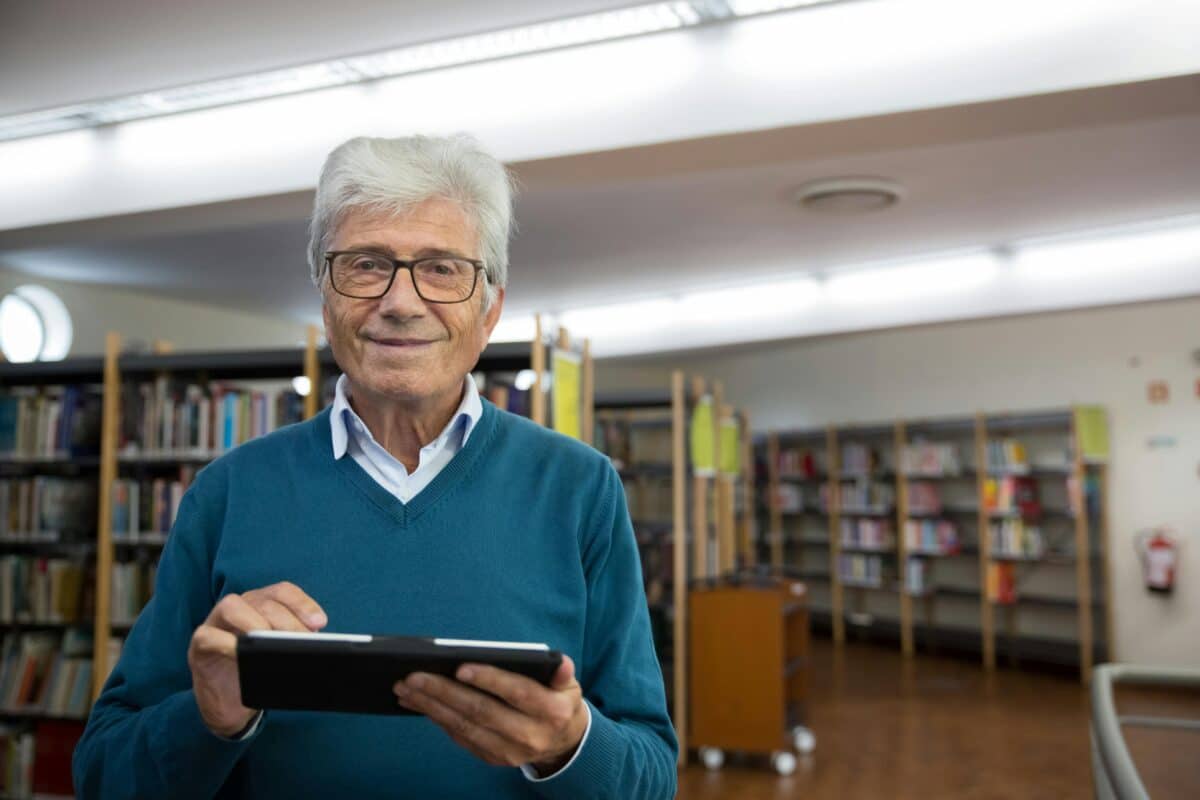
The generation that built the offline world is now building the online one—quietly, steadily, with intention.
Now is the time for the market to recognize and use seniors’ strengths. Prioritize inclusion for adults over 55. Adapt strategies, policies, and messaging to fully leverage this resource.
A Quiet Shift, Not a Loud Revolution
This movement isn’t marked by protests or loud declarations.
It shows up through individuals returning to creativity, commerce, community, and contribution on their own terms.
People over 55 are not asking for permission to belong in this new economy.
They are participating in it.
Not as liabilities.
Not as consumers.
Not as audiences.
They step forward as resources—infusing the digital world with capability, relevance, and one thing it cannot manufacture: hard-won experience and vision for the future. The choice now is whether the digital economy will fully harness what they offer.
