
The Quiet Signs That Tell Us Something Is Changing Long Before We Understand Why
When Life Begins to Feel Different, the signs are often quiet and easy to miss. Discover what these changes reveal about the human experience and why recognizing them is the first step towards thoughtful change.
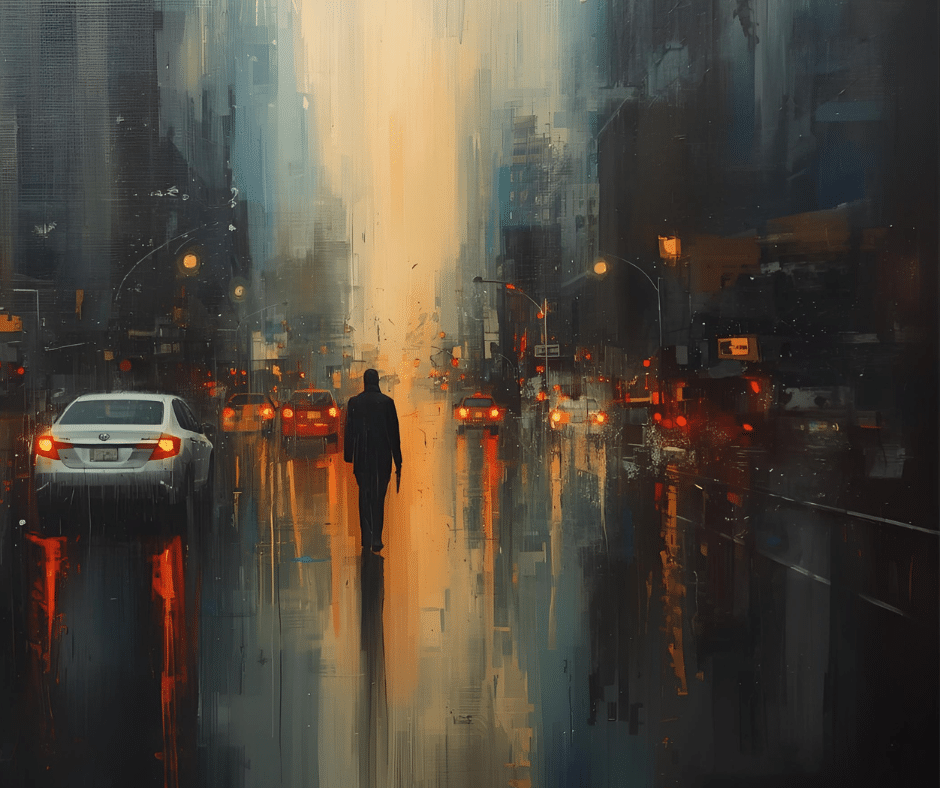
Have you ever had the feeling that life has changed, even though you can't quite explain what's different?
It doesn't happen because of a single dramatic event. It's not a sudden loss, a sudden windfall, or a milestone birthday. But because something feels... different.
Daily routines, familiar faces, and the house remain as they always have. Yet, sitting with morning coffee, the view outside—seen for years—now feels subtly unfamiliar.
Let's explore that feeling together. Don't try to explain it just yet—simply allow yourself to notice and acknowledge it. Give the sensation your full attention and reflect on how it feels in this moment.
Change Rarely Announces Itself
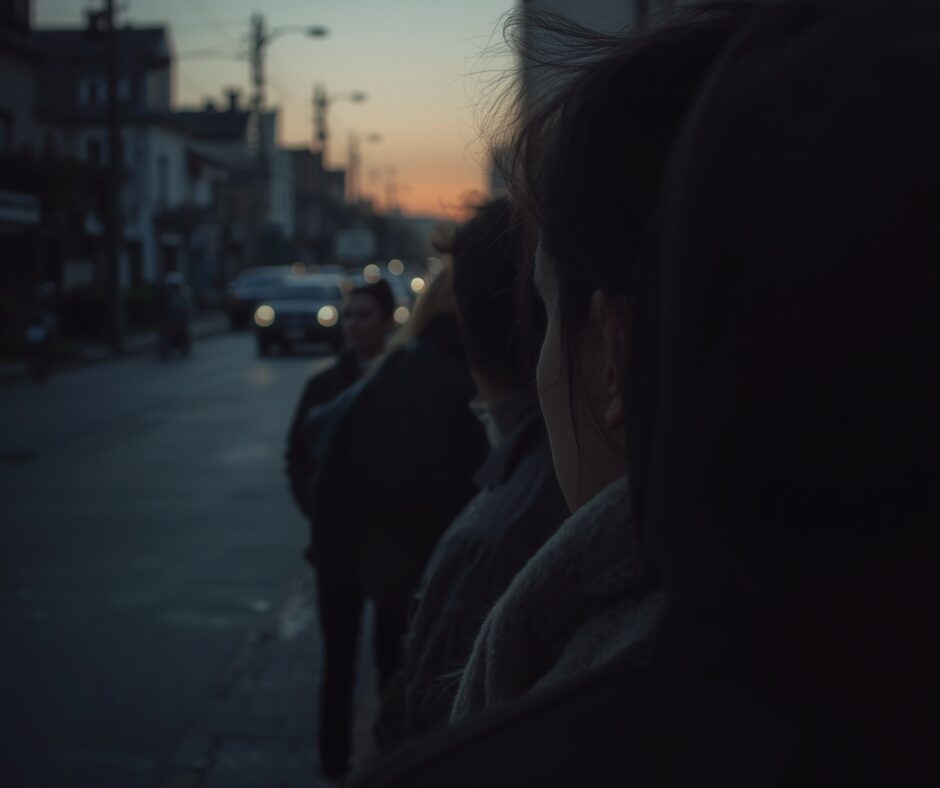
We often imagine change arriving with a loud announcement—a dramatic event that clearly marks a "before" and an "after."
In reality, the most significant human changes usually happen quietly. They accumulate over time, almost entirely unnoticed, like a slow shift in the tide. We move through our days believing everything is static, until one day we wake up and realize we've been living, thinking, and feeling differently for months.
Why does gradual change escape our attention so easily? It's because human beings are remarkably adaptive creatures. We adjust to microscopic shifts in our environment, our stress levels, and our perspectives day by day.
Because we adapt before we consciously recognize we've adapted, hindsight becomes our primary tool for self-awareness. We only understand the trajectory of the river once we look back at the bends we've already traveled.
Reader Takeaway: Perhaps I've been changing for longer than I realized.
We Begin Noticing Different Things
This internal shift doesn't first show up in our circumstances; it shows up in our attention. Our focus quietly migrates to entirely new details of the world around us.
You find yourself noticing things that used to pass right by you:
- You notice the layout of the supermarket bill and what it says about daily life.
- You notice, with a strange prickle of awareness, just how quickly another calendar year has passed.
- You notice your energy levels differently—how you protect them, where they drain, and what restores them.
- You notice that the nightly news affects your peace of mind more deeply than it used to.
- You notice friends quietly initiating conversations about retirement, winding down, or what comes next.
- You notice your children becoming entirely independent, needing your guidance less and your friendship more.
- You notice your parents becoming visibly older, forcing a quiet role reversal you weren't entirely prepared for.
None of these moments, on its own, changes your life overnight. But together? They accumulate. They begin changing the entire framework of how you see your life. Our attention changes long before our circumstances do.
Reader Takeaway: I've been noticing those things too.
The Questions Arrive Before The Answers
When life begins to feel different, it doesn't give us a map; it gives us a checklist of quiet, persistent questions. These questions arrive entirely unprompted, usually in the spaces between tasks or late at night.
- Am I where I thought I'd be?
- What do I actually want from the next ten years?
- What am I trying so hard to protect?
- What really matters to me now?
- What happens if I continue for another five years exactly as I am?
Notice that you don't have the answers right away. That's entirely by design. One question naturally gives birth to another. Asking what matters now makes you reflect on how you spend your time, which in turn prompts you to consider what you want from the next decade, ultimately leading you to question what happens if you stay on autopilot.
These questions suddenly seem incredibly important because they are the earliest evidence that something inside us is evolving.
Reader Takeaway: I've been asking those questions without even realizing it.

Why This Doesn't Mean Something Is Wrong
When these shifts occur, it is incredibly common to mistake this new awareness for anxiety. We live in a culture that values constant certainty, so when we begin to feel detached from our old definitions of normalcy, we worry that something is broken.
But feeling different isn't necessarily a problem to be solved.
What if what you are actually experiencing isn't a crisis, but growth? What if it is maturity, or a hard-earned perspective? As we move through life, our values naturally recalibrate.
The things that consumed our energy at thirty or forty rarely satisfy us later in life. Experiencing this internal friction isn't evidence of failure—it may simply be proof that you are ready to enter a brand-new chapter.
Reader Takeaway: Maybe this isn't something to fear.
Recognition Comes Before Direction
When we feel this way, we're tempted to rush. We want to immediately look for an exit, an opportunity, or a major life pivot to resolve the internal discomfort.
But every meaningful, lasting decision begins with recognizing reality—not resisting it or escaping it, but understanding it deeply. Before you can decide where you want to go, you have to acknowledge exactly where you are standing. Allowing yourself to sit in the space of recognition, without rushing to a solution, is where true clarity forms. It is the fundamental baseline of The Human Experience of Change.
Reader Takeaway: Understanding where I am is the first step towards deciding where I want to go.
Conclusion
Perhaps the greatest changes in our lives don't begin with a grand, dramatic flourish.
Perhaps they begin the very first time we quietly sit back, take a breath, and admit to ourselves: "Life feels different."
There is absolutely nothing unusual about that feeling. In fact, it may be one of the most important, authentic recognitions you will ever make. Perhaps recognizing that life feels different isn't the end of a chapter. Maybe it's simply the moment we become ready to begin the next one.