

How to Recognise Affiliate Marketing Scams
Learn how to recognise affiliate marketing scams, spot common warning signs and protect yourself before investing in online business opportunities.
Exploring online business opportunities in your fifties, sixties, or beyond can empower you to generate supplemental income, pursue an interest, or transition into semi-retirement. However, navigating this space requires caution. For beginners researching affiliate marketing scams after 55, the main challenge is rarely the business model itself; it is distinguishing genuine training from predatory schemes designed to siphon retirement savings.
At its core, affiliate marketing is an established, lawful performance-marketing model. An individual connects an audience with a merchant’s product or service and earns a pre-agreed commission when a sale or lead occurs. Major retailers like Amazon, Target, and major financial institutions rely heavily on affiliate partnerships. Misleading programs, however, exploit this legitimate structure by turning the training program itself into the primary revenue driver, often trapping inexperienced buyers in expensive upsell cycles.
Why Affiliate Marketing Attracts Questionable Promotional Claims
Affiliate marketing has exceptionally low barriers to entry. Anyone with an internet connection can technically apply to become an affiliate, which creates a large pool of beginners actively searching for guidance. Where beginner demand is high and technical literacy is low, bad actors find an ideal environment to market high-priced shortcuts.
Unlike traditional brick-and-mortar operations, digital marketing outcomes depend on variable factors like content relevance, search intent, audience trust, and constant market shifts. This ambiguity makes it easy for unethical promoters to promise turnkey systems that supposedly eliminate the need for effort or skill. The business requires real effort, yet promoters often repackage basic concepts as proprietary "secrets" to justify exorbitant enrollment fees.
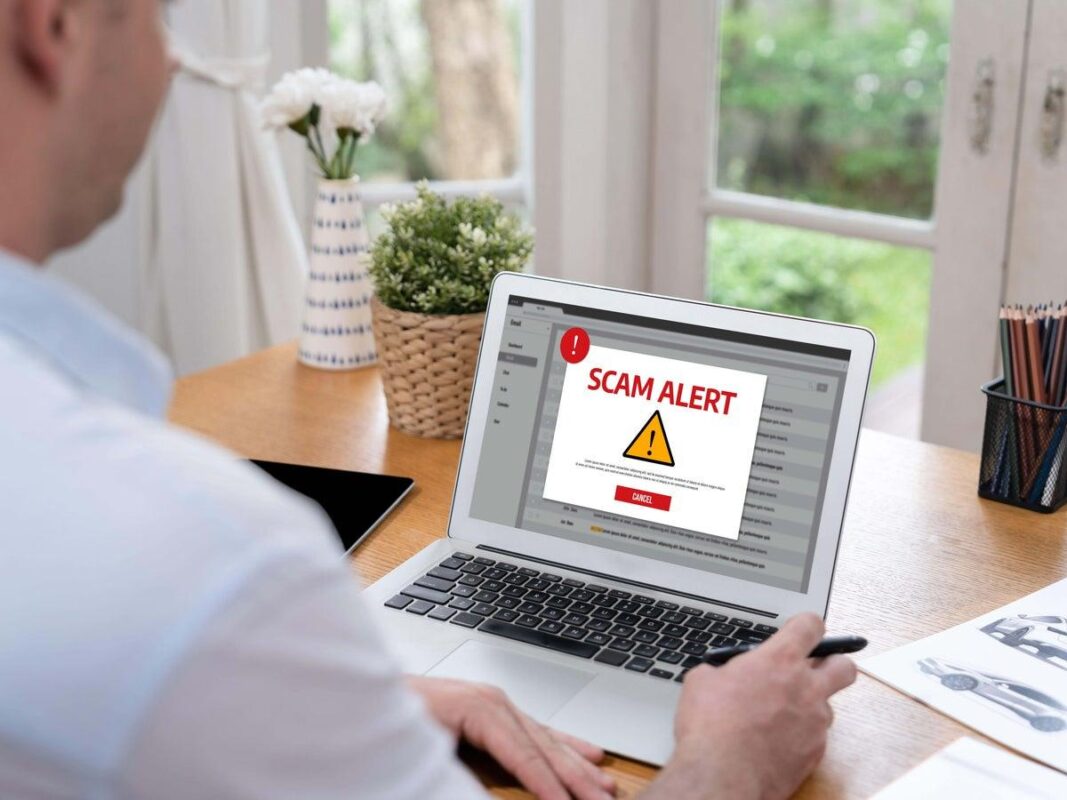
Common Warning Signs Associated with Unsuitable Programs
Evaluating an online training program requires assessing the tone and structure of the promotional pitch. Questionable programs consistently rely on emotional manipulation rather than concrete curriculum details.
A classic hallmark of an unsuitable program is artificial urgency. High-pressure sales funnels frequently use countdown timers, claims of "only three spots remaining," or threats of immediate price increases to push retirees into hasty financial commitments before they can consult a partner or perform outside research.
Another major red flag is the "done-for-you" (DFY) website claim. Promoters claim their team will build your entire business, plug in pre-written content, and automatically hook up traffic sources. In practice, search engines penalize identical duplicate content across thousands of beginner sites, and unoriginal promotional pages rarely convert readers into buyers. If a program promises that no personal writing, research, or audience building is required, it misrepresents how digital publishing works.
Income Promises, Testimonials, and Misleading Representations
Misleading affiliate programs frequently showcase dramatic lifestyle marketing: expensive cars, beachfront villas, or screenshots displaying thousands of dollars in daily commissions. For someone transitioning out of the workforce or managing superannuation balances, these representations can be particularly persuasive.
Scrutinize these claims critically. First, gross revenue is not net profit; a screenshot showing $10,000 in monthly sales often hides $9,500 spent on paid digital advertising or recurring software tools. Second, testimonials in promotional videos are often cherry-picked outliers, paid actors, or affiliates who earn income solely by recruiting new students into the same high-ticket course.
Consumer protection authorities worldwide, including the FTC and the ACCC, require verifiable earnings disclosures precisely because typical participants in get-rich-quick programs make little to no money.
Understanding Hidden Costs, Upgrades, and Recurring Payments
A common predatory tactic is the low-cost frontend offer. A program might advertise a comprehensive "Complete Masterclass" for $17 or $47, leading you to believe that is the full commitment. Once enrolled, the student discovers that the low-cost product provides only rudimentary information, while the actionable training is locked behind sequential "upsells."
These upgrades, frequently labeled "inner circles," "VIP mentorship," or "license rights," can range from $1,000 to over $10,000. Additionally, many programs require mandatory subscriptions to proprietary website builders, page hosting platforms, or automated email suites owned by or affiliated with the course creators. Before paying for an introductory course, you must establish the total cost of ownership required to execute the strategy.

How to Investigate a Training Provider Before Purchasing
Thorough due diligence should always precede any financial transaction. Start by conducting objective searches outside the provider’s own web ecosystem.
Search the name of the program and the founder alongside terms like "lawsuit," "complaints," "scam," and "refund issues." Look for discussions on independent platforms such as Reddit, Trustpilot, the Better Business Bureau (BBB), or industry-specific forums where participants share unfiltered experiences.
Verify the instructor's background outside the course itself. Does the educator operate real, working affiliate websites in varied consumer niches, or is their sole public business selling digital marketing courses? A legitimate educator should have an established, transparent footprint that demonstrates expertise beyond selling business opportunities.
What to Do If You Have Already Paid for a Questionable Course
Realizing that a course fails to deliver on its promotional promises can be deeply discouraging, but quick, deliberate action often limits the financial damage.
Begin by reviewing the provider’s refund policy within your account portal or confirmation email. Many questionable programs deliberately hide refund clauses and require an unrealistic burden of proof (such as completing an entire 30-day technical setup) to qualify.
If you fall within the stated cancellation window, submit a clear, written refund request immediately through their official support channel and take a dated screenshot of your submission.
Preserving Evidence, Requesting Refunds, and Accessing Consumer Assistance
If the provider denies your request or fails to respond within a reasonable timeframe, you have formal consumer recourse options:
- Document Everything: Save digital copies of sales receipts, terms of service agreements, the sales page copy, and all email correspondence.
- Initiate a Payment Dispute: If you paid via credit card or an established processor like PayPal, contact your card issuer or payment gateway to open a dispute or chargeback based on misrepresentation or failure to provide advertised services.
- Report to Consumer Protection Bodies: File a report with relevant government watchdogs, such as Scamwatch (Australia), the Federal Trade Commission (USA), or eConsumer.gov for cross-border transactions. Official reports build formal records that help regulatory bodies shut down repeat offenders.

How to Evaluate Legitimate Affiliate Marketing Education
Quality education rarely looks like a flashy sales seminar. Authentic educators treat affiliate marketing as a digital publishing and communications craft, not an automated money machine.
A legitimate course focuses on foundational business fundamentals: audience research, content creation, on-page search engine optimization (SEO), user experience, website security, and transparent disclosure practices.
Ethical instructors provide a clear, upfront syllabus detailing every module before purchase, state the expected operational expenses beyond the course, and maintain accessible, transparent refund terms without arbitrary hurdle requirements.
A Practical Checklist Before Committing to Any Program
Before entering your credit card details or signing up for a coaching agreement, evaluate the program against these objective criteria:
| Evaluation Factor | Safe / Credible Practice | High-Risk Indicator |
| Earnings Claims | Emphasizes skill development and realistic timelines | Guarantees specific income figures or "fast wealth" |
| Pricing Transparency | Total cost and required software fees stated upfront | Inexpensive initial entry followed by multi-thousand-dollar upsells |
| Business Mechanics | Teaches you to sell established third-party retail products | Requires you to earn commissions by selling the course to others |
| Public Reputation | Verifiable history and authentic independent reviews | High-pressure sales, scrubbed negative reviews, or brand-new aliases |
| Refund Policy | Clear, unconditional 14- to 30-day trial period | "No refund" policy or heavily conditional performance hurdles |
Conclusion
Protecting your finances requires separating the business model from the promoters selling it. Affiliate marketing remains a legitimate, viable way to monetize topical knowledge, reviews, and helpful digital resources after 55. However, the industry is heavily shadowed by aggressive sales organizations marketing illusion over education.
Approach any training program with the same healthy skepticism you would apply to traditional investments. If a course creator refuses to tell you the entire cost up front, relies on high-pressure scarcity tactics, or implies that automated software can replace basic business fundamentals, step away. Your capital, your time, and your peace of mind are far too valuable to hand over to an unproven shortcut.
Reader Takeaway: Affiliate Marketing Due-Diligence Checklist
- Wait 48 Hours: Never buy a course on a live webinar or during an initial promotional viewing. Force an objective cooling-off period to remove emotional urgency.
- Search Independent Outlets: Cross-reference the founder’s name with consumer complaint databases, Reddit threads, and legal registers before enrolling.
- Audit Total Running Costs: Ask directly via email what software tools, hosting packages, or paid subscriptions will be necessary to execute the curriculum.
- Read the Complete Refund Policy: Confirm whether the guarantee is unconditional or if it requires arduous technical benchmarks before a return is granted.
- Confirm Product Focus: Ensure the training teaches how to serve an audience and recommend diverse consumer products, rather than simply acting as an affiliate for the course itself.
