

Can you do faceless affiliate marketing after 55? Learn how avatars, voice-overs, and other options let you create content without appearing on camera.
If you are exploring online business models later in life but dislike the thought of appearing on camera, you are not alone.
For many aspiring creators, talking to a lens feels entirely unnatural. This hesitation often leads to a pressing question: Can I do affiliate marketing without showing my face?
The short answer is yes. You don't need to be a charismatic influencer or turn your personal life into public content to do affiliate marketing. However, one vital distinction matters: faceless does not mean anonymous, and it should never mean trustless.
Why the Camera Barrier Feels So Real After 55
Affiliate marketing has evolved. While in-depth written reviews, curated newsletters, and niche websites remain highly effective, short-form and long-form video have become major distribution channels.
For beginners over 55, this creates a common misconception:
"If I am not willing to put myself on video, will I be left behind?"
Coming to digital business with decades of career and life experience does not mean you want to become a public personality. That preference should not disqualify you from building an online income stream. Focus on value delivery, clarity, and authority—not whether your face is on screen.
First-Hand Experience: Choosing the Right Presentation Style
Reluctance to appear on camera is something many site owners and publishers encounter directly. When evaluating digital video channels for Senior Entrepreneur Hub, three choices emerged:
I've struggled with this myself. As I've continued my own affiliate marketing education, video has become increasingly important. ButI'vee never felt particularly comfortable appearing on camera.
- One approach is to avoid video channels altogether, which can significantly limit your reach and leave valuable traffic sources untapped. This may feel like the safest route, but it also means missing out on audiences who prefer learning through visual content.
- Another option is to force yourself into an on-camera role, even if it feels unnatural or uncomfortable. While this may seem like a way to keep up with current trends, it often results in stiff delivery and can undermine both your confidence and the authenticity of your message.
- A more effective strategy is to leverage modern presentation technology to deliver your insights in a way that feels comfortable and authentic. Tools such as custom avatars, screen recordings, or narrated slideshows let you create engaging visual content without the pressure of being on camera. This approach lets you maintain high production value and clear communication, while still reaching audiences who benefit from visual and auditory learning.
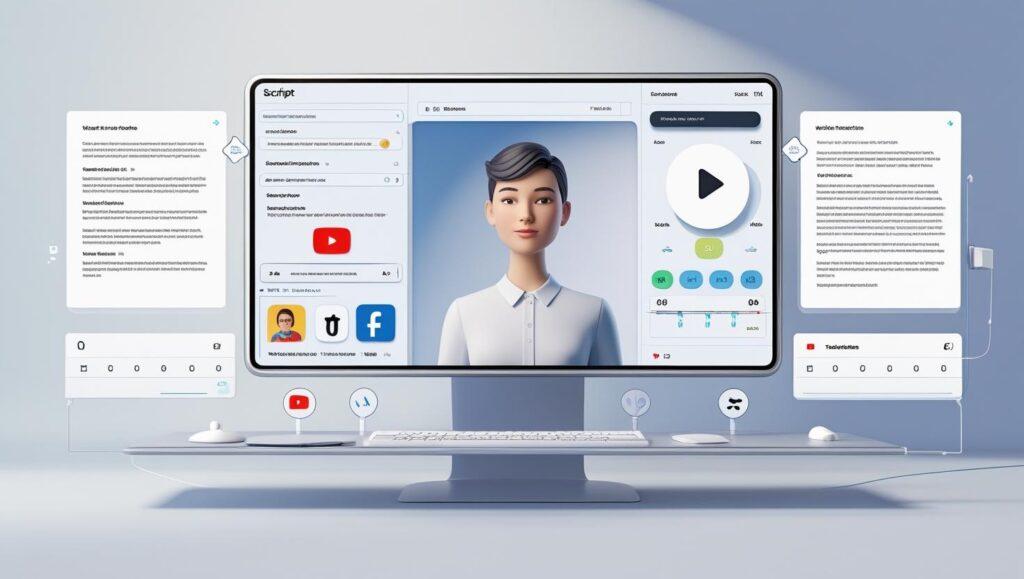
The third route proved the most sustainable. By utilizing custom avatar software for video assets, the content gets delivered visually without requiring personal filming.
The software only handles the visual presentation; the core value remains human-driven:
- Every topic is chosen with purpose, specifically to address the real questions and challenges that mature entrepreneurs encounter. This ensures that each piece of content is not just relevant, but genuinely useful to its intended audience.
- Thorough original research underpins every recommendation, including hands-on verification of program legitimacy, careful examination of payout structures, and a close review of terms. This diligence helps filter out unreliable or risky offers, building trust with readers and viewers.
- Scripts are crafted to fit real-world context and are tailored with an appropriate tone and high editorial standards. The result is content that is both informative and relatable, reflecting the unique needs and perspectives of experienced entrepreneurs.
Technology serves purely as the delivery mechanism. The substance behind it must always be authentic.
What Does Faceless" Affiliate Marketing Actually Involve?
Faceless marketing means delivering educational and promotional content without your physical face appearing in the frame.
| Content Format | Practical Implementation | Primary Strength |
| Curated Articles & Reviews | In-depth written comparisons and tutorials on a dedicated website | High search intent, strong evergreen SEO value |
| Voice-Over & Screen Shares | Step-by-step walkthroughs of digital tools with clear voice narration | Clear demonstration of practical workflows |
| Slide Decks & Animations | Structured visual summaries using key takeaways and data points | Distills complex ideas into simple visuals |
| AI Avatars & Presenters | Digital presenters scripted with original, thoroughly vetted content | High video output while maintaining privacy |
The tool matters far less than the transparency and substance you deliver.
Is Showing Your Face Better? Understanding the Live Video Advantage
There is a valid argument for appearing on camera, particularly through live, unscripted video. If you are weighing whether to step in front of the lens, consider the distinct advantages it offers:
- Immediate Speed of Trust: Micro-signals like eye contact, spontaneous pauses, and natural tone build credibility far quicker than text alone. A real face shows an accountable human behind the recommendation in an era crowded with automated content.
- Peer-to-Peer Relatability for Mature Audiences: Older adults often relate better to peers who speak calmly and share real-world perspective. Demonstrating your own learning curve reassures viewers that they can navigate the process too.
- Direct Real-Time Feedback: Live sessions allow you to answer objections and technical concerns instantly while uncovering the exact questions your audience wants answered.
- Lower Production Overhead: Raw, direct-to-camera videos eliminate the time required for avatar rendering, complex B-roll editing, and graphic syncs—often making consistency easier.
Appearing live on camera accelerates connection, but it remains optional, not a mandatory prerequisite.

Faceless Still Requires Trust
Choosing not to appear on camera doesn't remove your responsibility to the people consuming your content.
You still need to be honest about whatyou'ree recommending and transparent about any affiliate relationship. If you may receive a commission when someone purchases through one of your links, that relationship should be clearly disclosed.
The same principle applies to the products or services you recommend. A faceless approach should never excuse promoting something simply because it is popular or offers an attractive commission.
Your audience still needs useful, accurate information that helps them make their own decisions.
This matters even more when using avatars or other forms of automated presentation. A professional-looking video can help communicate a message, but visual polish cannot compensate for poor research, misleading claims, or recommendations you don't genuinely stand behind.
Trust isn't created by whether people can see your face. It develops from the quality, honesty, and consistency of what you provide.
Don't Confuse Faceless" With "Effortless"
A faceless approach still requires you to learn how affiliate marketing works, understand what you're recommending, create useful content, and communicate clearly with the people you're trying to help.
Technology can make content production easier, but itcan'tt replace judgment, effort, or responsibility.
Faceless removes the camera. It doesn't remove the work.

Finding an Approach You Can Sustain
One advantage of understanding your options before you begin is that you don't have to force yourself into somebody else's way of doing things.
Appearing on camera may eventually become a skill you decide to develop. You may become more comfortable with it as your confidence grows.
Or you may discover that written content, voice-over video, screen recordings, presentations, or avatars suit you better.
Either way, you still need to learn.
The objective isn't to find the easiest approach. It's to find a method you're prepared to learn, develop, and realistically sustain.
For me, avatars provided a practical solution to something I genuinely struggled with. Someone else may choose something completely different.
Camera confidence is optional—a willingness to learn and communicate honestlyisn'tt.
Conclusion
Being uncomfortable on camera doesn't automatically mean affiliate marketing isn't suitable for you.
You can communicate in other ways, including written content, voice-over video, screen recordings, presentations, and avatars.
What matters is understanding that whichever method you choose, trust, useful information, and a willingness to learn remain essential.
You don't need to arrive with every skill already developed. You need to decide whether you're willing to learn affiliate marketing.
If the answer is yes, the next step is learning how to do it properly.
