

Introduction
How to choose an affiliate program after 55. What is right for you, what to look for, what to avoid, and how to build your business on trust and integrity.
By now, you have likely learned what affiliate marketing is, how it works, how to get started, and what it really takes to build a sustainable online business. The next logical decision most beginners face is selecting an affiliate program to partner with.
Unfortunately, this is also where many people make one of their biggest mistakes. Instead of asking, "Which program is right for me and my audience?" they ask, "Which program pays the highest commission?"
Those are two fundamentally different questions. The best affiliate program is rarely the one promising the biggest payout on paper. It is the one that allows you to build an honest, sustainable business you can stand behind with pride for years to come.
What Is an Affiliate Program?
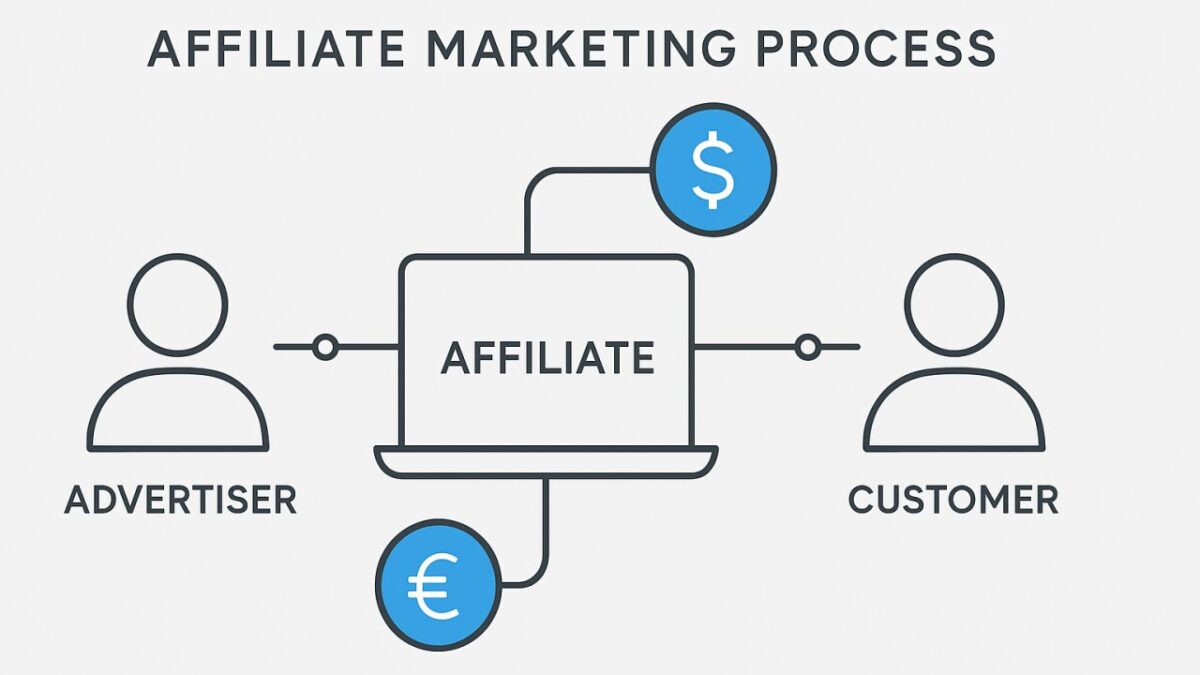
At its simplest level, an affiliate program is a formal agreement between you and a business. You agree to recommend their products or services to your readers, and in return, the business agrees to pay you a percentage of any sale made through your unique referral link.
Because we have already covered the foundational mechanics of affiliate marketing in earlier guides, there is no need to overcomplicate this. It is a straightforward partnership built on shared value—you bring the audience, and the merchant provides the product.
Don't Choose Based on Commission Alone
Focusing solely on commission rates is the quickest way to erode trust with your readers. High commission rates mean little if the underlying product is poor, no one wants to buy it, or your audience doesn't need it.
Most importantly, high commissions offer zero value if you do not genuinely believe in the offer yourself. In the world of online business—especially when speaking to mature, discerning readers—trust always wins over short-term gain.
Questions Every Beginner Should Ask
Before signing up for any program, every beginner should step back and evaluate the opportunity through a few direct questions.
First, ask yourself: Do I genuinely believe in this product? Follow that up with what might be the most important filter of all: Would I recommend this product to a friend or family member if there were no commission involved? If the answer is no, walk away immediately.
Next, consider whether the product solves a real, defined problem for your readers. Take time to research the company's background to ensure they have a solid market reputation and reliable customer support. Finally, verify that your specific audience will walk away with genuine value after making a purchase.
Evaluating Program Support and Training
Especially if you're new to online business, finding an affiliate program with strong support and accessible training can make all the difference. Look for programs that offer clear onboarding, step-by-step guides, and responsive affiliate managers. A good program should make you feel welcomed, answer your questions promptly, and provide resources to help you succeed—regardless of your prior experience.
Compliance and Ethical Considerations
As a mature marketer, your reputation matters more than ever. Be transparent about your affiliate relationships and comply with the disclosure requirements that apply in your country. Transparency builds trust, and being upfront about your partnerships demonstrates integrity to your audience.
Community and Networking Opportunities
Affiliate programs with active communities or member forums can be invaluable. These spaces offer chances to connect with peers, ask questions, and share experiences. Especially for those starting later in life, a supportive community can speed up learning and keep them going.

Realistic Timeline and Expectations
Building a successful affiliate business doesn't happen overnight. The first few months often feel slow as you learn, experiment, and grow your audience. Stay patient and consistent. Avoid comparing your first six months with someone else's sixth year.
Every successful affiliate marketer started exactly where you are today, and meaningful progress comes from consistent effort, not unrealistic expectations.
Most affiliates start seeing meaningful commissions after several months of steady effort, but every journey is different. Focus on building your skills, serving your audience, and consistently publishing helpful content. Long-term success is built on trust and relationships, not quick wins.

Different Types of Affiliate Programs
As you explore options, you will encounter several distinct categories of affiliate programs:
- Physical Products: Tangible items like books, tools, or appliances. These usually offer lower commission percentages, but they benefit from high customer familiarity.
- Digital Products: E-books, downloadable guides, or self-paced courses. These generally offer higher commission rates because of low overhead costs.
- Software (SaaS): Recurring tools like web hosting, email platform subscriptions, or page builders. These often provide ongoing monthly commissions for as long as the customer stays subscribed.
- Memberships and Communities: Paid subscription sites that offer continuous learning, coaching, or networking.
- Services: Professional consulting, done-for-you setups, or specialized agencies.
Why Structure Matters More Than the Program Name
After years of exploring affiliate marketing and evaluating different approaches, I reached a fairly simple conclusion.
The program name matters less than the quality of the learning environment behind it.
Some programs emphasize high commissions. Others focus heavily on speed, automation, or impressive-looking results. Those things can attract attention, but they aren't necessarily what a beginner needs most.
For someone learning affiliate marketing, I believe the more important questions are practical ones.
Does the training provide a clear path to follow?
Does it teach the fundamentals before moving into more advanced strategies?
Is there genuine support available when you become stuck?
Does the person providing the training have substantial industry experience?
And does the program encourage realistic expectations about the time and effort involved?
Those are the standards I now use when evaluating structured training.
I'm not looking for a program that promises to remove the work or guarantee an outcome. I'm looking for an educational environment that can help a beginner understand the process, develop practical skills, and make better decisions as their experience grows.
Good training shouldn't make the decisions for you. It should help you become better equipped to make those decisions for yourself.
That's ultimately a much more useful standard than simply asking which program pays the highest commission or makes the biggest promise.
Common Mistakes to Avoid
When starting, it is easy to fall into a few well-worn traps. Many beginners try to join dozens of programs at once, thinking more links equal more revenue. Others attempt to promote products they have never personally evaluated, or they chase whatever high-paying hype is trending on social media.
The biggest mistake of all is ignoring your audience's real needs to chase a quick conversion. When you prioritize short-term profit over audience trust, you damage your reputation long before your business has a chance to grow.
Practical Checklist for Evaluating Programs
Before committing to any new affiliate program, run through this simple checklist:
- Would I recommend this product even if I were not being paid?
- Does this product address a clear and genuine problem?
- Do I thoroughly understand how the product works?
- Does this offer naturally align with my target audience?
- Am I comfortable standing behind this product publicly?

Frequently Asked Questions
Should I join Amazon Associates as a beginner?
Amazon is an easy starting point because almost everyone already has an account and trusts the platform. However, Amazon offers relatively low commission rates and short tracking cookies. It can be a useful starting point to learn the mechanics, but it is rarely the best foundation for a full-time income.
Can I belong to more than one program?
Yes, you can partner with multiple programs. However, when you are starting, it is best to focus on one or two core offers that genuinely fit your message rather than spreading your attention too thin.
How many programs should I start with?
For most beginners, starting with one primary program alongside a couple of supporting tools is ideal. This keeps your messaging clear and prevents overwhelm.
What is considered a good commission rate?
Commission rates vary widely by industry. Physical products often range from 3% to 10%, while digital products and software routinely offer 30% to 50% or higher. A good commission rate fairly reflects the product's value and quality.
Should beginners choose recurring commissions?
Recurring commissions are excellent because they generate predictable monthly revenue. Software tools and ongoing training memberships are great examples of recurring offers.
Conclusion
Choose an Affiliate Program after 55. That's Right for You—Not Just One That Pays Well.
Choosing an affiliate program is never about hunting down the highest commission rate on the market. It is about finding a program, product, or service that you are genuinely prepared to stand behind with complete integrity.
If you're starting an affiliate marketing journey after 55, remember that you bring unique strengths to the table. A lifetime of experience, sound judgment, and practical wisdom gives you an advantage that can't be taught in an online course.
While it's natural to feel cautious about learning new technology or committing to something unfamiliar, don't underestimate the value of your own background. Your credibility, industry insights, and authentic voice are powerful assets for building trust with your audience.
Your personal reputation is built one recommendation at a time. Protect it carefully. Education should always come before promotion, and trust must always come before commissions.
Next Up: Should Beginners Choose High-Ticket Affiliate Marketing?